


Landscaping with Turf: How to Plan & Design Your Dream Garden
Are you thinking of renovating your outdoor space?
Designing a perfect garden can feel overwhelming at first. A great starting point is your lawn - getting this step right forms the foundation for everything else.
When planned in advance, turf can be a centrepiece of your space, connecting different areas of your garden together and improving the overall feel of it. If left as an afterthought, you may end up with a lawn that never reaches its true potential or feels disconnected from the rest of the space, making it feel odd or uninviting.
This is why, here at Online Turf, we encourage you to start your project by thinking about your lawn first.
From sketching your ideas to choosing the right turf and preparing the ground, planning your garden design with turf at its heart is the key to creating an outdoor space that looks its best for years to come.
Why the Lawn Should Be Your First Design Decision
When planning a garden, it’s easy to focus on features like patios, flower beds, or seating areas first. However, from a design point of view, lawn planning should come before everything else.
Not considering your lawn in the planning stage, or doing so at the very end, can cause a range of issues.
Firstly, you are likely to come across space or layout problems. You may end up with a lawn that looks too small, making it feel very cramped, or too big, absolutely dominating the space and making the other areas that you planned feel disconnected and too distant. The lawn itself may also be in an awkward shape, which does not suit your vision.
Planning your lawn first also helps you avoid common problems later. For example, placing trees, sheds, or structures without considering their impact on sunlight can cause your lawn to look less dense and vibrant in certain places. Not taking foot traffic into consideration is another common problem. If placed in the most-used area of the garden, the lawn will experience more wear-and-tear damage and require more maintenance to keep it looking its best. This is where a rye grass-based turf, such as Rye Gold Turf, works well, as it is designed to handle frequent foot traffic and recover faster than softer grass types.
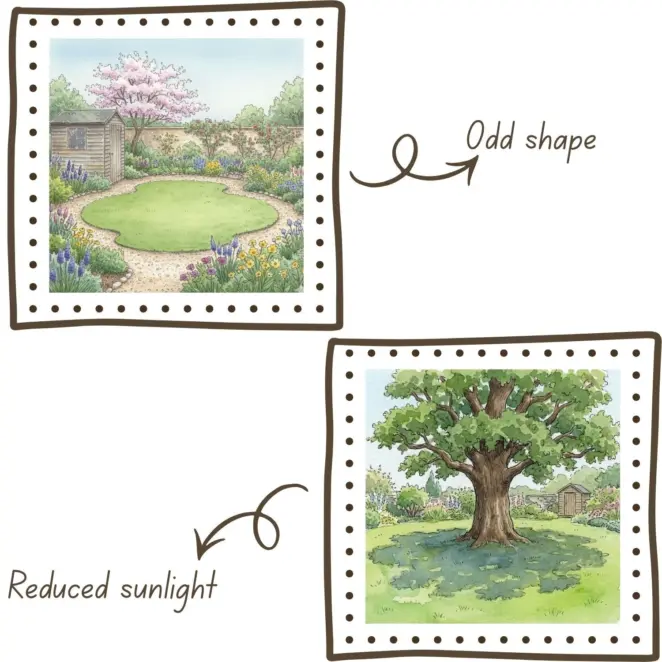
By thinking about the lawn early, you can take light and foot traffic into account from the start and save yourself a lot of time later.
Step 1: Sketching Your Vision
Sketching your vision before you start is a great way to make sure you get the most out of your space and that its layout works for your needs.
Start by measuring your garden so that you have a good understanding of how much space you are working with.
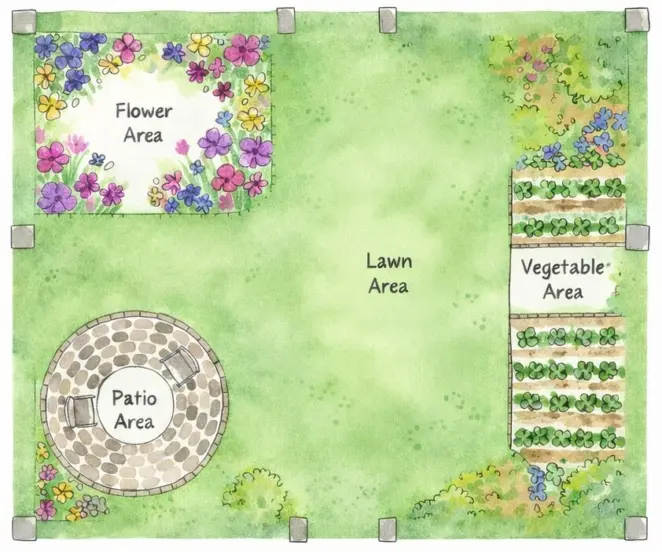
Once this is done, think about how you are going to use your garden and what you need to make it happen. Based on this, start making a few sketches of possible layouts, showing where plants, furniture, décor, and - of course - your lawn will go.
One of the best ways to do this is to divide your new garden into areas. Depending on your needs, these can include:
- Flower area: to add a pop of colour to your garden and encourage pollinators to visit.
- Herb or vegetable area: if you want to grow your own food and have easy access to fresh produce.
- Patio area: this can include a seating area or an outdoor cooking space for BBQ. It’s also the perfect spot for décor such as outdoor rugs or fairy lights.
- Lawn area: ideal for the whole family to relax and enjoy. If you are designing a lawn for a small garden, check out our ‘Top 10 Small Garden Ideas’ blog.
Take the needs of your lawn into consideration too. Make sure the spot you choose for it gets enough sunlight and is easy to access when performing any maintenance. If it’s a high-traffic area, you may also want to add stepping stones to your design to reduce wear and tear on your lawn.
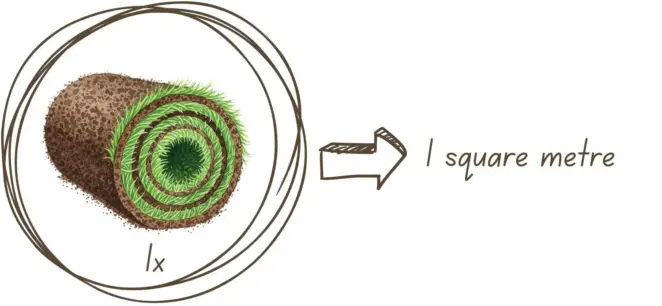
Then, write down how much turf you will need to bring your vision to life. The easiest way to do this is by using our Turf Calculator. This tool allows you to enter the shape, width, and length of your lawn space and calculates the total area in square metres, feet, or yards. We recommend sticking to square metres, as this makes the ordering process simpler later on - one roll of turf covers one square metre. It’s also a good idea to order around 10% extra to allow for cutting and shaping.
Step 2: Choosing the Right Foundation (The Soil)
With your layout planned and measurements in hand, it’s time to purchase some soil and bring your vision to life. Landscaping is often said to be 80% preparation, so choosing the right foundation for your turf is key to make sure your project runs smoothly.

High-quality topsoil sold by a trusted supplier, such as ourselves, is a great choice for this. Rich in organic matter and nutrients, it will provide your garden with the perfect base for your project, whether you are laying fresh turf, establishing new planting borders, or simply levelling the area.
Adding topsoil also improves the soil’s structure, preventing compaction and improving aeration and drainage. This helps reduce the risk of your garden becoming waterlogged in the future and allows any plants to establish themselves more quickly.
On the other hand, poor-quality topsoil can cause problems from the very start. It can lead to water pooling on the surface after heavy rain and poor establishment due to a lack of nutrients. This can leave both your lawn and planting areas struggling to thrive.
By investing in good-quality topsoil, you are setting your garden and lawn up for long-term success.
Step 3: Selecting Your Turf 'Personality'
Once you have chosen the right topsoil, it’s time to select and buy a lawn that truly suits your project and needs. Not all turf is created equal, and choosing the right one plays a big role in how your garden looks, feels, and performs over time.
At Online Turf, we offer three turf options. Each one is designed to suit different garden styles, budgets, and levels of use.
Rye Gold Turf is our most premium option. It’s an excellent choice for garden projects where appearance and durability are equally important. With its fine, ornamental-looking blades and rich, deep green colour, it creates a polished, high-end finish while maintaining a soft texture. As a result, it is a perfect turf for landscaping where lawn is the central feature.
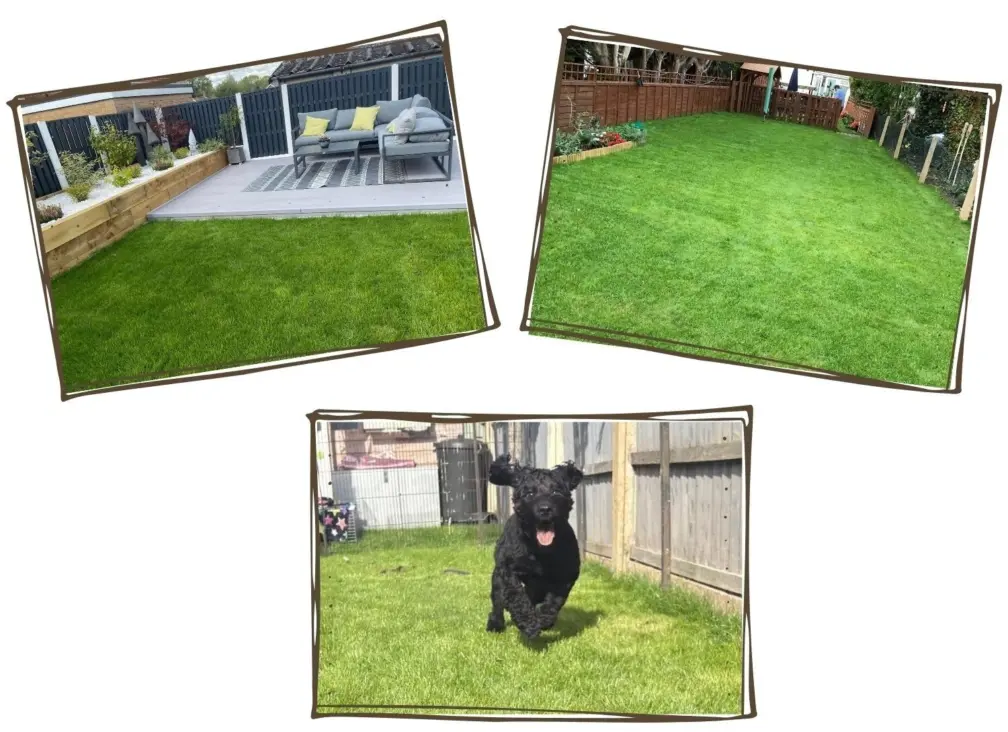
Stadium Turf is ideal for family-centric designs as it is cultivated to meet the demands of active use. So, if you are after a lawn that your children or pets can play to their hearts' content, with minimal maintenance and quick recovery from everyday wear and tear, this is the perfect choice.
Budget Turf is a practical solution for larger-scale projects or cost-conscious renovations. It provides a functional, hard-wearing lawn at a price that suits all budgets without compromising quality.
By matching your turf choice to how your garden will be used, you can ensure your lawn looks good from day one and continues to perform well long after your project is finished.
Step 4: The Order of Operations
Now that you have everything in place, it’s time to put your plan into action. Before laying your lawn, think carefully about the order of your renovation.
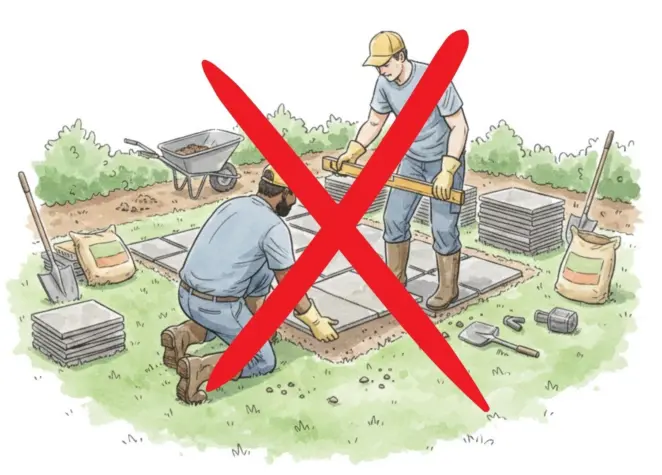
For example, if you’re building a patio, this should be done before your turf goes down. Any heavy machinery or foot traffic during construction could damage a brand-new lawn. The same goes for flower beds and other features such as an irrigation system – completing them first reduces the risk of accidentally damaging your turf. Leaving your lawn until last ensures it looks its best.
When you’re ready to lay your turf for landscaping, start by preparing the ground. Remove any remnants of an existing lawn, clear weeds, plants, and debris, and add topsoil. Dig to about 15 cm to break up compacted areas, then rake and firm the soil until it’s level. Once prepared, you can lay your turf.
For detailed, step-by-step instructions on how to do this, check out our Turf Laying Guide to help your lawn establish quickly and look perfect from day one.
Step 5: Aftercare
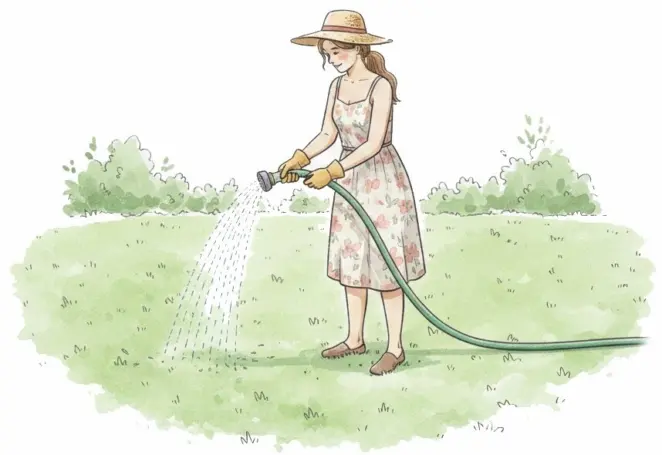
Once you’ve laid your turf, water it immediately using a hose or sprinkler until the water soaks through to the soil beneath. For the first few weeks, until the roots are properly established, water once or twice a day, preferably in the morning or evening to reduce evaporation, unless the weather provides enough natural rainfall.
The amount of water your turf needs will vary depending on the season. Hot, dry, and windy conditions require more frequent watering. You should also keep an eye out for signs of drying, such as gaps, lifting, browning, or curling. If this happens, water your turf straight away.
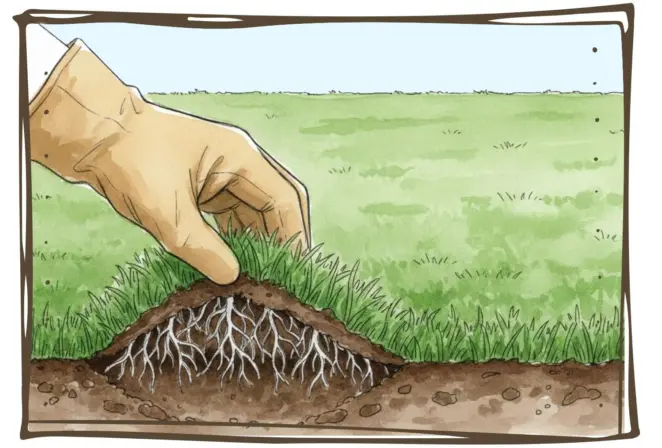
After three weeks or so, check if the turf has rooted properly. This can be done by gently lifting its corner – if the roots are attached, your turf has rooted and it is ready for its first mow. Start by setting your lawn mower to the highest setting to avoid putting too much stress on the grass and then gradually reduce the cutting height with each mow until you reach your desired length. Remember to never remove more than one-third of the grass height in one go. Cutting it down further can scalp the lawn, stress the turf and make it more susceptible to diseases and weeds.
Make sure to leave your grass clippings behind too. These will work as a natural mulch, helping to keep moisture in the soil by slowing down its evaporation. Alternatively, you can add them to your compost bin if you have one.
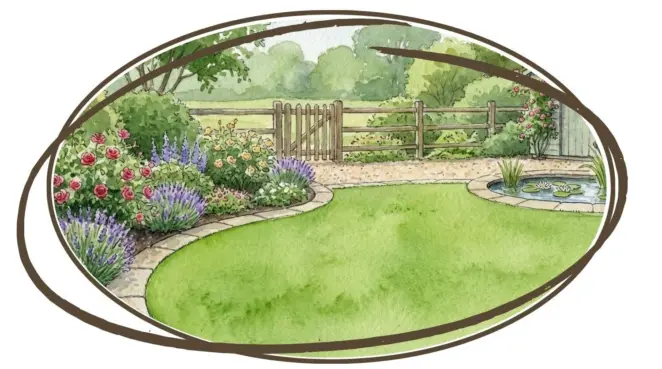
Afterwards, if your lawn still looks a bit messy and untidy, consider edging it to give it that manicured, professional look. In simple terms, it’s a process that allows you to define a crisp edge between your lawn and adjoining areas of your garden. To learn how to do it, visit our ‘Lawn Edging Guide: 10 Top Tips’.
From there, you can follow our ‘Online Turf’s Lawn Care Calendar’ for advice on how to take care of your turf best every season.
Over time, if you simply want to refresh it after winter or heavy use, give it a boost with Rye Gold Lawn Grass Seed. Made from the same blend of perennial ryegrass and red fescue as our premium Rye Gold Turf, it’s designed to handle heavy foot traffic and maintain a rich, green colour all year round, perfect for thickening borders or repairing worn areas.
Knowing how to plan a garden with turf makes all the difference to the look and feel of your outdoor space. By following our landscaping steps for beginners and putting your lawn first, you can create a garden that flows beautifully and avoids awkward shapes or sizing issues.
Using fresh, good-quality turf also makes all the difference – giving an instant, lush result, and transforming your garden from mud to masterpiece in no time.
Are you ready to bring your plans to life? Explore our range of fresh turf, topsoil, and lawn care products and start transforming your garden today!
