

Winter Lawn Care: Keep Your Lawn Healthy Through Frost and Snow
Winter is upon us and it is time to give yourself and your lawn a well-deserved break.
Winter is actually a quiet time for lawn maintenance, so winter lawn care isn't an intensive necessity. Simply tidy it up, sit back, and enjoy a proper break from gardening while your lawn naturally prepares for spring growth.
Our guide to UK winter turf care will help you understand the best practices for maintaining your lawn during the colder months, protecting it from frost damage and ensuring it emerges healthy when spring arrives.
Final Mowing: Preparing Your Lawn for Winter
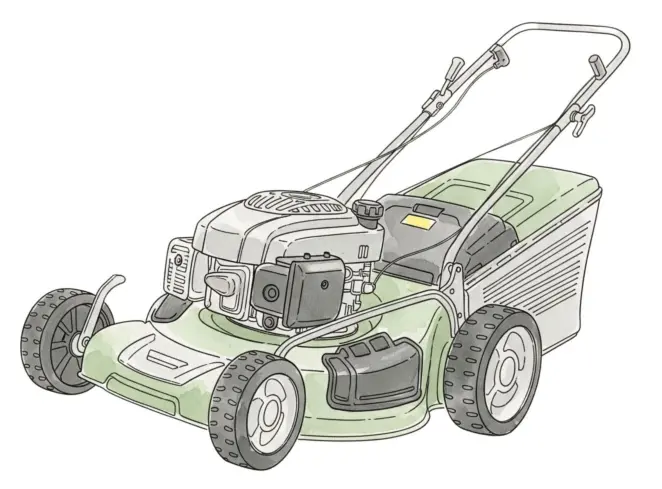
You may have already completed your last mow of the year, which should ideally be done towards the end of autumn or the start of winter, depending on the weather and growing conditions. This final cut is crucial for winter turf, as it helps protect your lawn during the coming months in the UK by also clearing fallen leaves that can trap moisture, block light, and encourage problems such as moss and fungal disease.
If you're doing your final mow before winter arrives, make sure the grass is completely dry before mowing. Set your mower to a high setting to avoid stressing the grass during this crucial transition period. Never mow wet grass in winter, as this can cause damage and compaction that impacts your lawn's health
Clearing Fallen Leaves and Debris
Clearing fallen leaves is an essential part of autumn and winter lawn care, not just a cosmetic tidy-up. Left on the surface, leaves trap moisture against the grass, block out vital sunlight, and reduce air flow, creating a damp, shaded environment where moss and fungal diseases can thrive. Regularly removing leaves with a rake, leaf blower, or mower on a collection setting helps keep your lawn drier, healthier, and better prepared to cope with the colder months.
Protecting Your Lawn During Winter: Staying Off Frosted Grass
One of the most important winter lawn care tips is to try staying off the lawn throughout the winter period, particularly during wet or frosty conditions. This is particularly true during periods of freezing temperatures, when frost makes the turf far more vulnerable to damage.
When frost covers your grass, the blades become extremely brittle and fragile. Walking on frosted grass causes the delicate ice crystals to break, which damages the plant tissue beneath. When the lawn has thawed after frost, you can be left with lovely black footprints across your lawn if you've walked on it while frozen.
These frost damage patches should repair themselves come spring, as new growth emerges. However, if the damage is severe or the patches don't recover naturally, you'll need to remove the dead grass and reseed those patches in the spring to restore your lawn's appearance.
Winter Lawn Feed: Choose the Right Fertiliser for UK Winter Turf
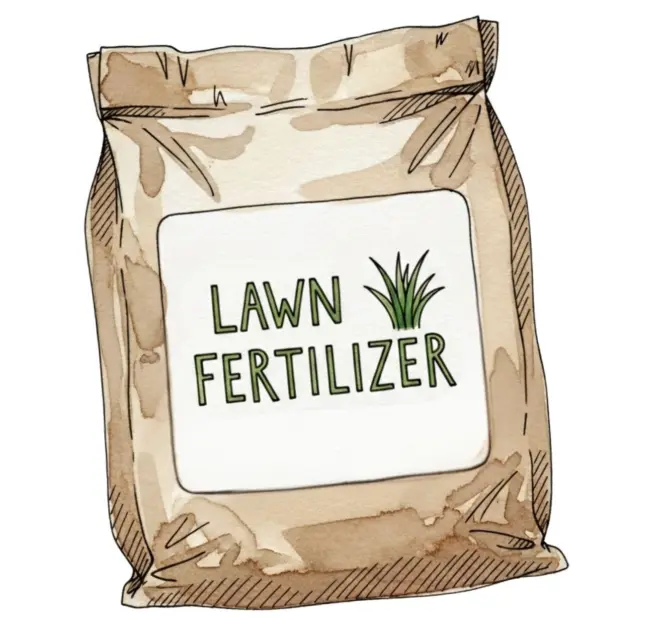
If you want to give your UK winter turf a little nutritional help during the dormant season, it's essential to use the right type of winter lawn feed. Crucially, avoid using the same fertiliser you apply during the growing season, as these can actually damage your lawn during its winter dormancy.
For winter feeding, the best approach is to use a specialist winter lawn feed or a liquid fertiliser containing potassium and iron with low nitrogen content. These nutrients help strengthen your grass for winter stress and can help 'green up' your lawn, maintaining colour through the colder months without stimulating growth that frost will damage.
Potassium helps strengthen grass cell walls, improving your lawn's resistance to frost damage and winter diseases. Iron improves colour and vitality without pushing new, vulnerable growth that could be damaged by the cold weather. Apply winter lawn feed according to product instructions, typically in early winter before the hardest frosts arrive.
Preparing Your Equipment for Spring
While winter is a quiet time in your garden, it's actually an excellent opportunity to service and maintain your gardening tools and lawn mower, ready for when spring comes around. Give your mower a thorough clean, sharpen the blades, and check all moving parts for wear.
Check out our knowledge base on looking after garden tools for some handy tips on maintenance. Or, if you prefer a more visual guide, see our handy infographics on showing your gardening tools some TLC.
Winter Lawn Care Summary
Winter maintenance for turf is refreshingly straightforward:
- Complete your final mow in late autumn on a high setting in dry conditions
- Stay off the lawn, particularly in very wet of cold periods
- Use only winter-specific lawn feed with potassium and iron, low nitrogen
- Service your equipment during this quiet period
- Let your lawn rest and prepare for spring growth
Remember, winter is nature's way of giving your lawn and you a break. A little lawn care in early winter means a healthier, stronger lawn when spring arrives. Need advice on winter lawn care or post-winter lawn recovery? Our friendly team is here to help. Contact us today or browse our complete range of lawn care products and services.
