

How to Build a Wildlife-Friendly Border
Do you want your garden to be more wildlife-friendly, but don’t want to sacrifice your lawn space?
It is a common misconception that for your outdoor space to be wildlife-friendly, you have to let it turn into a messy jungle. The truth is, your lawn can still look great and have that manicured look. Simply make a few changes to invite birds, pollinators, and other animals into your space.
So, are you wondering how to make a neat wildlife garden? Adding wildlife-friendly garden borders is a great way to achieve this. They can add colour and visual interest to your space while creating an attractive contrast with your manicured lawn. They can also offer food and shelter for local wildlife.
The Best of Both Worlds
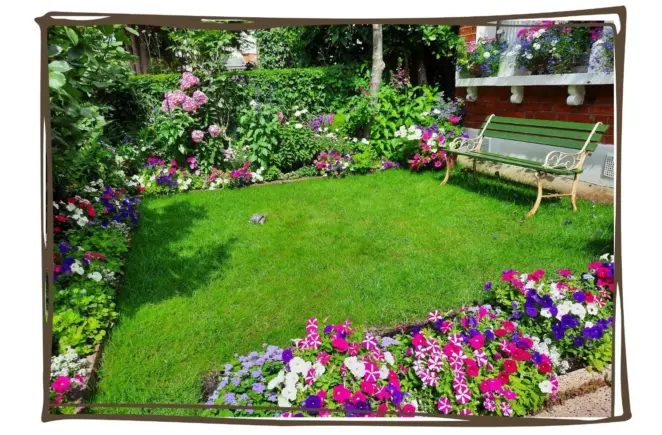
A wildlife-friendly garden does not have to be an overgrown jungle. Simply creating a border around your lawn can make all the difference, while adding lots of charm to your outdoor space.
The key is to edge your lawn. This creates a clear boundary between your lawn and your border. It also makes your garden look neat and gives it a professional finish. At the same time, you have full control of what grows in your border. You can choose flowers that look great and complement your space’s existing design, while also providing animals with food, shelter, nesting sites, and overwintering cover.
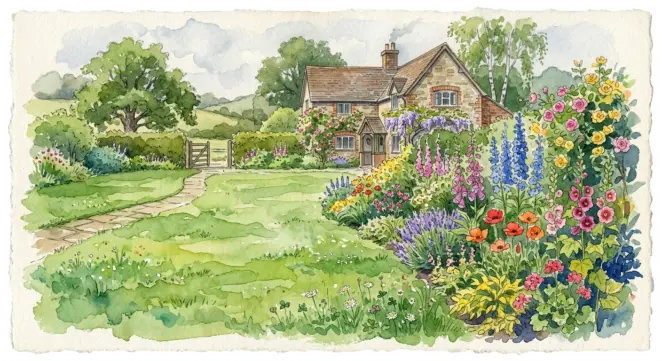
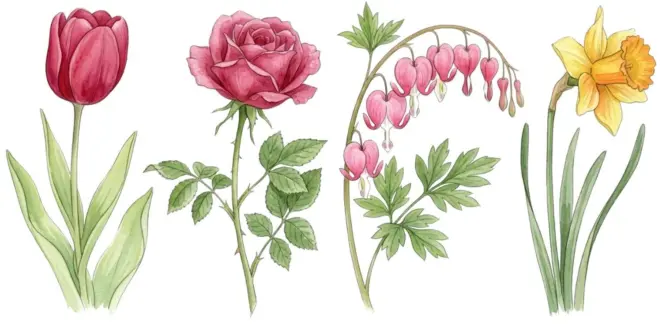
For best results, plant a variety of plants, making sure they flower at different times of the year. This will support your garden’s biodiversity and ensure that a wider range of pollinators and insects will benefit from them throughout the growing season. It also supports other wildlife, such as birds. This helps to create a more balanced and self-sustaining ecosystem.
By creating garden borders for bees and other small animals, you can enjoy the best of both worlds - a tidy, attractive lawn and a garden that has more to offer local wildlife.
4 Steps to a Wildlife-Friendly Border
Framing your lawn with wildflowers and other plants does not need to be hard. Simply follow our 4 steps and enjoy a beautiful garden.
1. Prepare the Area
Take some time to think about how big your border should be and the ideal location for it. Make sure to think about the plants that you want to plant and their care needs – do they require full sun? Or would they benefit from the border being placed in the shade?
Once this is done, it is time to prepare the area.
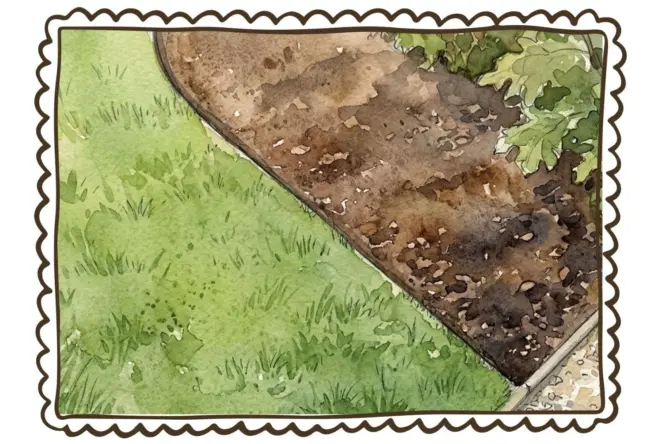
Start by defining your lawn’s edges for the wildlife border. The clear barrier between the grass and new plants will ensure that the space looks its best. It will also make maintenance easier in the future, stopping the grass from invading the border. You can hire a landscaper to do this for you or follow our ‘Lawn Edging Guide: 10 Top Tips’ for step-by-step instructions on how to do this yourself.
Once this is done, use a sharp spade or turf cutter to remove existing turf. This will prevent the new plants from having to compete with it and allow them to make better contact with the soil. Make sure to clear any weeds too for the same reason.
2. Plant Native Flowers That Support Pollinators
Now that the soil is free of weeds and turf, it is time to choose your plants.
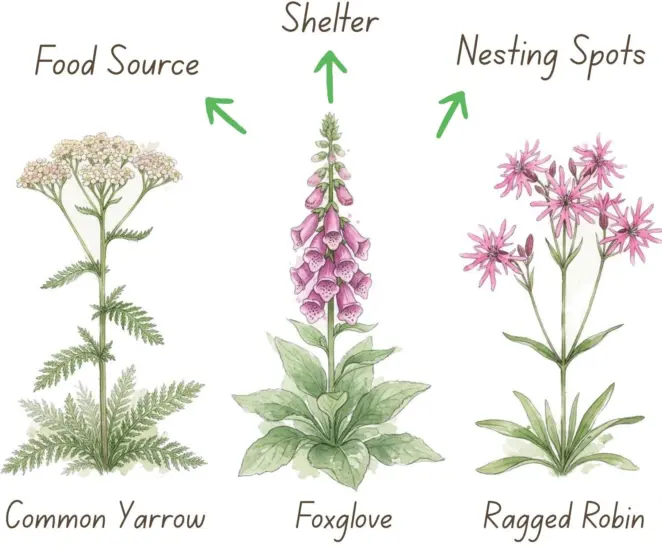
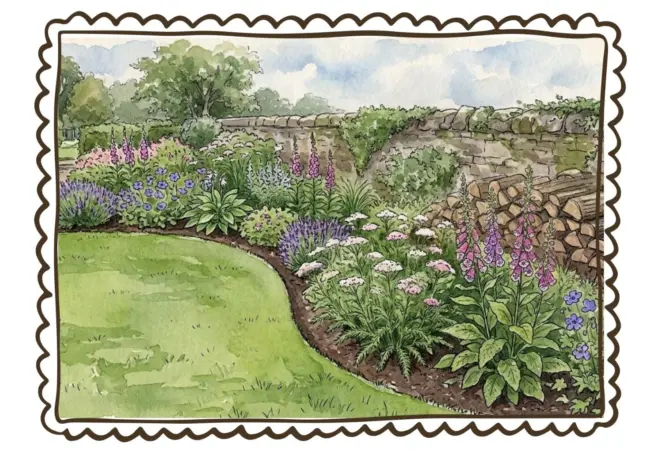
Planting native species, such as common yarrow, foxglove, and ragged robin, is one of the best things that you can do for wildlife. According to Gardeners’ World, ‘Native plants are those that arrived in the UK without any help from humans and have thrived here for thousands of years.' They are primary hosts for native insects and have also co-evolved with birds, producing fruits that they can eat. On top of this, they can offer shelter and safe nesting spots. Native plants are also easier and cheaper to maintain as they are already adapted to the region, requiring less intense watering, fertilising, and pest control.
However, while the higher the percentage of native plants in your border the better, don’t be shy about adding a few non-native plants too for variety. Not only can these add visual interest, but they can also sometimes provide a steady supply of nectar when native plants finish flowering.
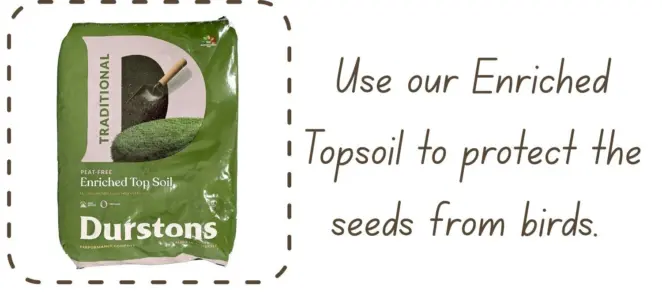
3. Protect the Seeds with Topsoil
If you are growing your plants from seed, check whether they would benefit from being covered by a thin layer of topsoil after sowing.
Not only does this give your seeds a little boost, but it also improves seed-to-soil contact. This is one of the key factors for successful germination and even growth. At the same time, it will help protect your seeds from being eaten by birds or blown away by the wind.
Our Enriched Topsoil contains a mix of sterilised loam and added organic matter, making it a perfect choice for this.
4. Create Log Piles
To finish off your wildlife-friendly garden border, make sure to add some logs to it. Depending on your preference, these can either be scattered or stacked up in a pile.
Scattered logs are great if you don’t want them to be too visible. They keep the plants apart and help mulch the soil. As they decay, they also attract beneficial predatory insects into your border, providing a good food source for birds.
Logs stacked in a neat and tidy pile at the back of your border are another great choice. This is because they do a great job of mimicking fallen woodland trees. The gaps between the logs can create shelter for insects, spiders, amphibians, and other small creatures along with offering them a place to overwinter. Even a small pile can make a big difference and support wildlife without making your garden look messy. When stacked in a nice shape, such as a pyramid, the pile can add some charm to your outdoor space, acting almost like an intentional feature.
Keeping the Centre Pristine
Once you have finished framing your lawn with wildflowers and other plants, you can enjoy both your new wildlife-friendly garden border and your lawn.
Since the border is already doing the heavy lifting, supporting your garden’s biodiversity, you can maintain a pristine lawn without feeling guilty.
To keep your lawn looking its best, mow and feed it as needed during the growing season and carry out other maintenance when necessary. This can include scarifying, aerating, or top dressing your lawn. Do you want a lawn that your neighbours will be jealous of? Make sure to check out Online Turf’s Lawn Care Calendar.
If you are still choosing your turf, our Rye Gold Turf is an excellent choice for a beautiful, hard-wearing lawn. It is designed to cope with heavy foot traffic and has a rich, premium appearance.
Start Building Your Eco-Border Today
Creating an eco-friendly garden does not mean you have to give up your lawn. A wildlife-friendly border can add colour and charm to your garden. It can also provide food and shelter for pollinators and other small creatures.
This way, you can enjoy the best of both worlds: a neat, attractive lawn while supporting local wildlife.
Are you ready to get started? Shop our Enriched Topsoil to help give your seeds the best start!
Do you want to do more for local wildlife beyond your garden border? Check out our ‘Creating a Wildlife-Friendly Lawn’ blog for more inspiration!
