

Creating a Wildlife-Friendly Lawn
Are you wondering how to attract wildlife to your garden?
One of the best ways to do this is by creating a wildlife-friendly lawn. It is a common misconception that for this to happen you have to let your turf turn into an overgrown, messy jungle, but this isn’t true at all. There are several ways in which you can make your lawn more wildlife-friendly by simply tweaking the way you manage it.
From allowing wildflowers to bloom to keeping grass blades longer and leaving some leaf litter behind, there are plenty of simple changes you can make throughout the year that can make a real difference.
Can a Pristine Lawn Still Support Wildlife?
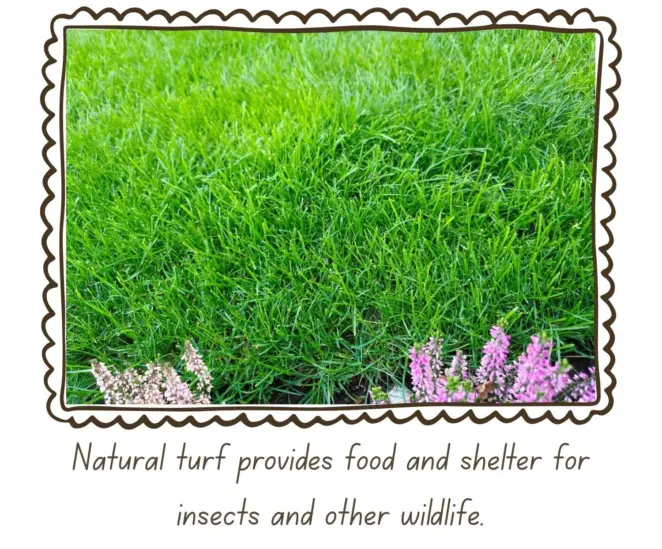
You might be wondering how to make a neat lawn wildlife-friendly. The truth is, even choosing natural over artificial turf already makes a huge difference. Natural turf is vital for garden ecosystems, providing essential food and habitat for birds, insects, and other wildlife. In comparison, artificial lawns are made from plastic, meaning they do not provide the same natural food sources or habitats. They can also become very hot in the summer, which can make it difficult for small animals to cross their surface. To learn more, check out our 'Benefits of Natural Turf' blog, or browse our range of natural turf.
So, you do not have to let your grass grow wild if you don’t want to. Even a pristine lawn can still support wildlife. However, by following an eco-friendly lawn care routine, you can make your grass even more beneficial for the little creatures that live there.
Spring: Waking Up the Ecosystem
Embrace 'No Mow May'
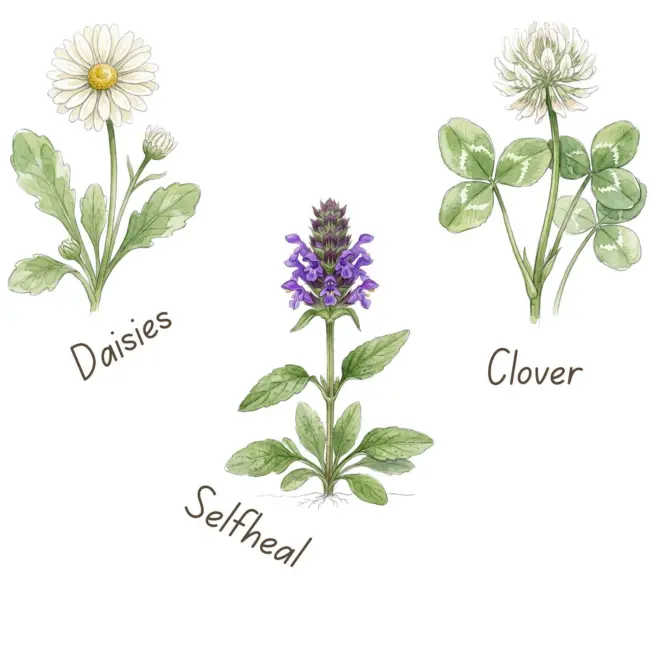
As spring arrives and your lawn starts growing again, you might consider taking part in No Mow May for a more wildlife-friendly lawn. All you have to do is put your mower away for the whole month of May and let nature do its thing. This allows any dormant seeds in your soil, such as clovers, daisies, and selfheal to bloom naturally within your turf.
According to English Heritage, meadows are in decline ‘with 97% of this habitat lost in Britain since World War II'. As a result, there is now less natural territory for pollinators to rely on, causing their numbers to decline. Allowing your lawn to grow for a while can make a huge difference, supporting pollinators by providing them with an early-season food source. It also quickly adds colour and character to your outdoor space, making your lawn look more natural and diverse.
If this does not sound appealing, why not do this for just a patch of your turf? That way you can still get that manicured look while making your lawn more inviting for wildlife.
Summer: Hydration and Shelter
Raise the Mower Blades
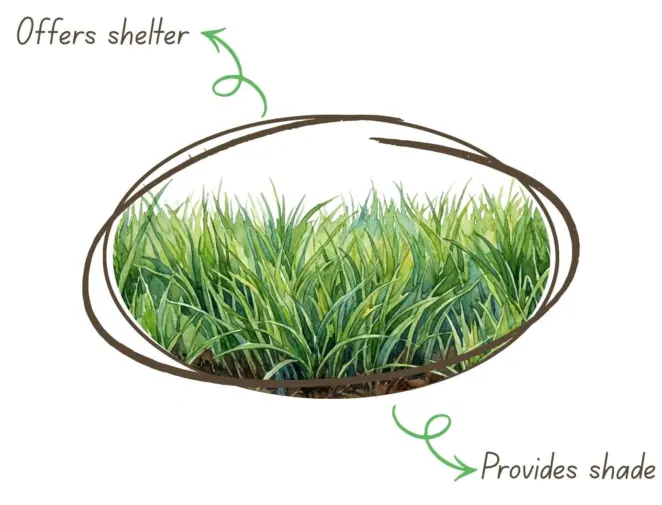
Once summer comes around, make sure to raise your mower blades to around 10 cm or the highest setting. This benefits your grass, as longer grass blades shade the soil, reducing water evaporation and helping it handle hot temperatures better. They also provide smaller animals with some shade and shelter, helping to create a wildlife-friendly lawn.
Raising your blades to this length will also allow you to maintain a neat, usable lawn. At the same time, it gives a variety of wildflowers, such as daisies or dandelions, a better chance of surviving mowing. Cutting your lawn too short can remove too much of the plant’s leaves, making it harder for it to recover before the next cut. A higher setting, however, leaves more of the plant intact. This allows it to continue growing and produce more flowers between cuttings.
Water Wisely
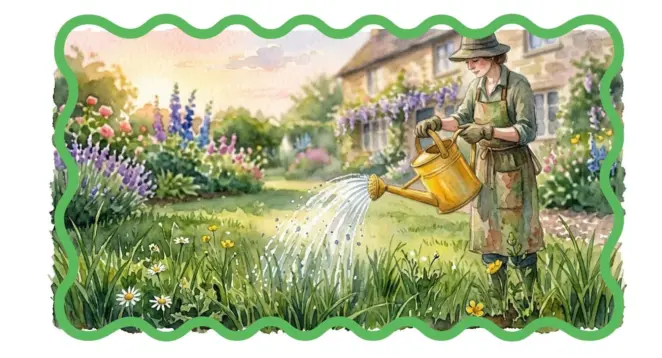
During the warm summer months, it is important to water your lawn wisely. This can be done by watering it deeply and infrequently, preferably in the morning. This encourages the turf to develop deep roots. The roots can then access moisture from deeper within the soil, making it more resilient to drought. At the same time, watering it in the morning, when the sun is not directly overhead and the temperatures are cooler, reduces water evaporation.
While this does not directly make a wildlife-friendly lawn, it does reduce the amount of water wasted.
This makes it a great way to make your lawn care routine more environmentally friendly. This is especially important when water is in high demand. Using water carefully helps conserve this valuable resource, leaving more of it available in the local reservoirs, lakes, and rivers for the animals that depend on it.
You can support local wildlife further by leaving a shallow bowl of water in your garden and adding some pebbles to it. This gives bees and other insects somewhere to drink during the warmer months, while the small pebbles give them a safe place to land.
Autumn: Natural Food and Foraging
Leave a Little Leaf Litter
Are you wondering how to attract birds to your lawn? Leaving some leaf litter around your garden is a great place to start.
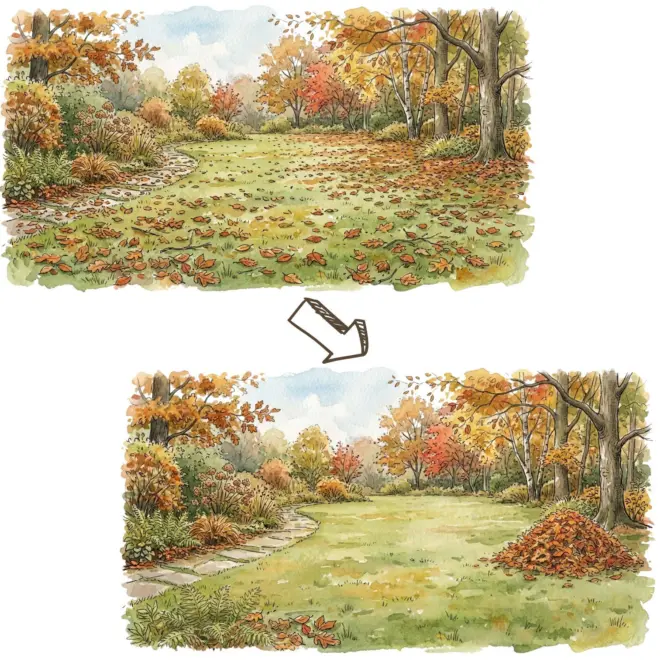
Fallen leaves can provide so many benefits for local wildlife. Firstly, they provide smaller creatures, including insects, spiders, and amphibians with shelter. These creatures then attract birds to your garden, as they provide an important food source for them.
However, it is important not to let fallen leaves cover your entire lawn. This is because they can potentially smother your grass by blocking out sunlight and air, which can create yellow or dead patches on your lawn. A heavy layer of wet leaves can also trap moisture, encouraging fungal diseases.
Instead, simply dedicate a quiet corner of your lawn to fallen leaves. This keeps the main area of your grass looking its best while also supporting local animals.
Ideally, you can sweep them directly into any borders. As the leaf litter breaks down over time, it can add rich nutrients into the soil. This benefits your plants along with any soil-dwelling creatures and promotes a healthy ecosystem.
Winter: Protecting the Ground
Keep off the Grass
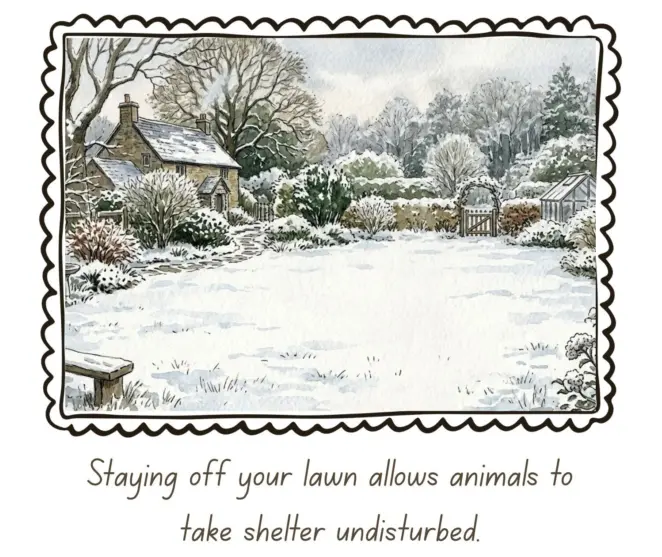
Once winter arrives, it is best to avoid walking on your lawn when it is covered in frost or snow.
Not only is it bad for your grass’s health because frozen blades become brittle and break easily underfoot, but it can also disturb the small insects that are overwintering in your garden. Walking across a frozen or snow-covered lawn can also flatten the grass. This reduces the cover it provides, leaving some insects more exposed to cold temperatures, wind, or predators.
Staying off your lawn does more than just protect your grass. It also helps to protect local wildlife. This contributes to a more wildlife-friendly lawn by allowing animals to take shelter undisturbed.
Keep It Real, Keep It Green
You do not need to settle for a messy, overgrown lawn to have a wildlife-friendly lawn. In reality, choosing natural turf over artificial turf is already a better choice if you care about wildlife. However, you can make your lawn even more beneficial for birds, insects, amphibians, and other animals by making a few changes to how you manage it throughout the year. Whether you simply decide to take part in No Mow May, raise your mower blades, or leave some leaf litter behind, even these small changes can make a big difference.
Are you ready to transform your garden? Explore our range of turf and create your wildlife-friendly lawn today!
