


Spring Lawn Care
After a period of winter dormancy, your lawn is ready to wake up. As the soil temperature consistently rises above 8-10°C, the grass begins its most rapid growth phase of the year. Now is the pivotal moment to intervene; a little effort in March and April pays dividends in a thick, green carpet come June.
Below is our expert checklist for revitalising your turf this spring.
Your Spring Timeline
Lawn care is all about timing. Pushing your lawn too early can cause damage, while waiting too long lets weeds take hold.
- Early Spring (March): Focus on clearing debris, moss control, and the first "high" mow.
- Mid-Spring (April): The ideal window for scarifying, aerating, and overseeding as the soil warms.
- Late Spring (May): Apply seasonal feeds and increase mowing frequency as growth peaks.
Mowing: The First Cut of the Year
The "First Mow" is a significant milestone, but it must be done with care.
- Wait for Dry Conditions: Never mow a waterlogged lawn; this causes soil compaction and tears the grass roots.
- The One-Third Rule: Set your mower to its highest setting for the first few cuts. Never remove more than one-third of the grass blade at once. "Scalping" the lawn stresses the plant and encourages weed growth.
Increase Frequency: As the weather warms, your lawn will grow faster. Gradually lower your mower height to your preferred setting (usually 2.5cm - 4cm for Rye Gold Turf).

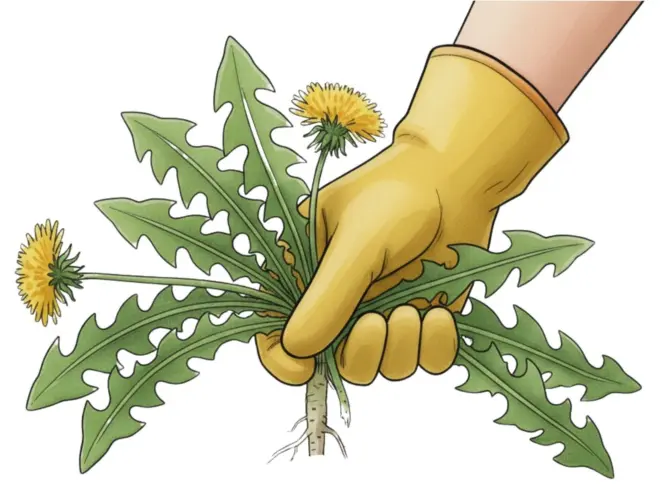
Weeding & Moss Control
Winter damp often leaves a legacy of moss and resilient weeds like dandelions.
- Targeting Moss: If your lawn feels "spongy," you likely have moss. Apply a moss killer first. Once the moss turns black/brown, it is dead and ready to be removed.
- Scarification: Use a garden rake or an electric scarifier to pull out dead moss and "thatch" (dead organic matter). This allows the grass to breathe and makes room for new growth.
Feeding: Fuelling Rapid Growth
Spring is when your lawn is hungriest. Providing the right nutrients now ensures a dense, competitive sward.
- Spring Feed & Weed: Use a combined fertiliser and weed killer to nourish the grass while tackling broad-leaved invaders.
- The Nitrogen Balance: Feeds high in Nitrogen produce a deep green colour and fast growth. If you prefer a lower-maintenance schedule with less frequent mowing, choose a more balanced, slow-release fertiliser.

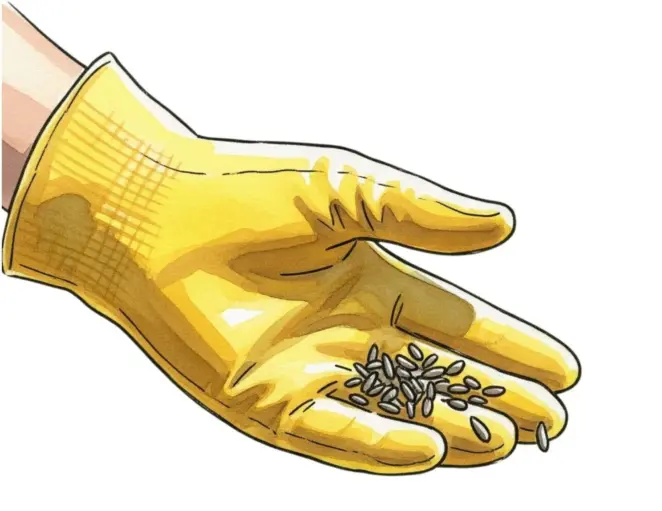
Repairing & Overseeding
Winter wear and tear often leaves bare patches or thinning areas that are magnets for weed seeds.
- Aeration: Before seeding, use a garden fork to spike holes across the lawn. This relieves compaction and allows oxygen, water, and seeds to reach the root zone.
- Overseeding: For thin areas, spread a high-quality Lawn Seed mixed with Enriched Topsoil. The topsoil protects the seed from birds and provides the perfect germination bed.
- Instant Repair: For larger bare patches, cutting out the dead area and dropping in a fresh roll of Stadium Turf provides an instant, seamless fix.
Expert Tips
Why Soil Temperature Matters
Many gardeners rush to seed in early March, only for the seed to rot in cold, wet soil. For successful overseeding, wait until the soil temperature is consistently at least 10°C. You can check this simply: if the weeds have started growing vigorously, your soil is usually warm enough for grass seed!
Dealing with Waterlogging
If your lawn has standing water after winter, do not apply fertiliser or seed yet. Focus on hollow-tine aeration (removing small plugs of soil) to improve drainage. Once the surface is firm, you can begin your spring maintenance routine.
Is your lawn beyond a simple spring repair?
Sometimes, a fresh start is more cost-effective than a long recovery. Browse our range of Freshly Harvested Turf to transform your garden in a single weekend.
