


New Year Lawn Resolutions: 5 Expert Tips for 2026
January is the perfect time to start anew – and your lawn is no exception.
Keeping your grass in the best shape can be difficult if you only pay attention to it once something goes wrong. So, if one of your garden resolutions for 2026 is a healthy, green lawn that your neighbours will admire, it’s time to adopt a more proactive, nurturing approach.
Here at Online Turf, we have grown our own premium turf for over 20 years and understand the difference the right lawn care routine can make. That’s why we’ve put together five simple new year lawn resolutions to help you care for your grass more effectively.
Why January Is the Best Month for Lawn Planning
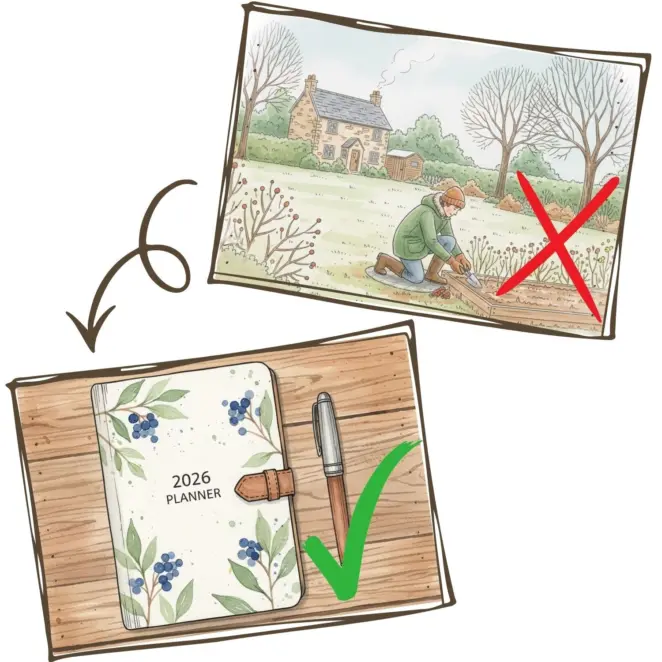
While your grass may be dormant in January, designing your lawn care 2026 routine during this time gives your grass the best chance of staying lush and healthy all year round.
The cold temperatures and snow that winter brings can leave behind compacted soil, along with bare patches and even early signs of disease in your turf. By planning ahead, you can identify what care your lawn will need and how to help it recover more quickly.
Another benefit of planning early is consistency. Once the warmer weather arrives, it’s easy to forget about lawn care until something goes wrong. Having a clear plan in place helps you stay proactive rather than reactive, which is the key to maintaining a healthy, attractive lawn.
Timing is also crucial when it comes to lawn care. Many of the most important treatments, such as feeding, aeration, and overseeding, work best when they’re done at the right time of the year. By taking the time to plan these treatments in advance, you’re making sure they’re done at the right time for maximum efficiency.
Resolution 1: I Will Stop Guessing My Grass Height
While it may be tempting to simply guess your grass height before mowing, this could lead you to setting your mower to an incorrect height, possibly damaging it.
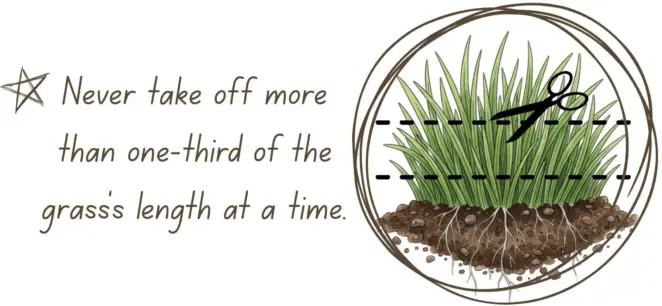
You don’t need to get out a ruler, but you should aim to follow the one-third rule. In simple terms, you should never take off more than one-third of the grass’s length. For example, if your grass has reached 3 inches over winter, do not cut more than 1 inch off in one go. Cutting it down further can scalp the lawn, stress the turf and make it more susceptible to diseases and weeds.
After the first mow, you should mow your lawn regularly during the growing season. If you would like to get it to a shorter length, start gradually reducing the mowing height with each mow. Most of our customers keep their grass between 1.5 and 2.5 inches in the summer. In the winter, 1.5 inches is considered an ideal mow – long enough to keep your grass resilient to the cold, while not matting under the snow.
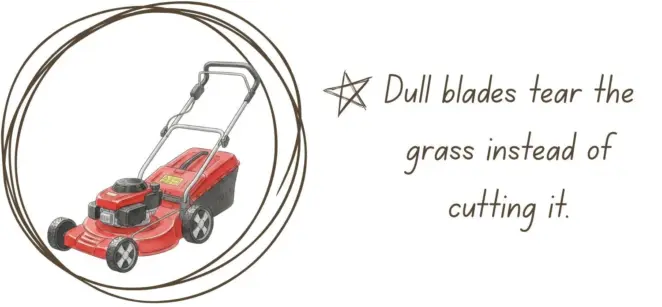
As part of your resolution, make sure to keep the blades of your mower sharp too. Dull blades tear the grass instead of cutting it. This can cause your lawn to develop browning tips and make it look untidy. It also makes it more susceptible to pests and diseases and slows the recovery process after mowing.
To learn more about this, check out our ‘Lawn Mower Maintenance: All You Need to Know’ guide.
Resolution 2: I Will Feed My Lawn on Schedule
If you’re wondering how to get a better lawn this year, moving from ‘emergency’ feeding to scheduled feeding is the answer.
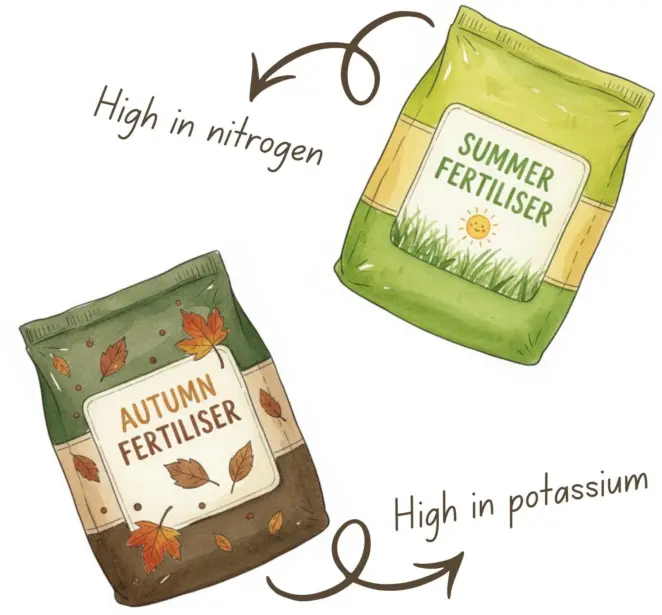
To help your lawn recover from winter, fertilise it for the first time as soon as you notice it growing in spring. Choose a feed made for spring or summer, as these are high in nitrogen. Nitrogen promotes vibrant, dense foliage, while other nutrients encourage deeper roots, making your lawn more drought-resistant just in time for hotter weather.
In early summer, fertilise again if your lawn starts looking pale or patchy. Avoid doing this in very hot weather, as it can cause fertiliser burn if not watered in correctly, turning your turf brown and damaging it. Instead, choose a milder day and water the product in generously to reduce any risk.
When autumn arrives, fertilise your lawn one last time with a feed designed for autumn or winter. Do this while the soil temperature is still above 7°C, so the grass is actively growing. These feeds usually have high potassium and low nitrogen, helping the plant build stronger cell walls and resist the cold without causing leggy growth.
Resolution 3: I Will Tackle Compaction Before It Starts
Tackling compaction before it starts is one of the best ways to prevent your lawn from developing that ‘spongy’ feel.
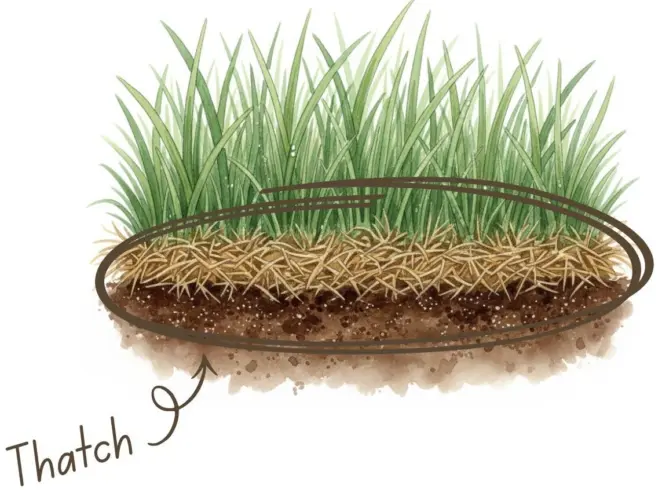
A spongy lawn is usually a sign of a thick thatch layer. According to Gardener’s World, ‘A small amount of thatch is a good thing in lawns, but in large quantities it can inhibit growth of new grass, prevent water and nutrients from reaching the roots, and encourage moss to form.’
So, what does thatch have to do with compaction? Compaction contributes to thatch buildup as it restricts air, water, and microbial activity in the soil, slowing down its decomposition. Making a garden resolution to aerate your lawn at least once a year will keep compaction under control and reduce excessive thatch. If your lawn still suffers from drainage issues or bare patches, you may need to do it twice a year instead.
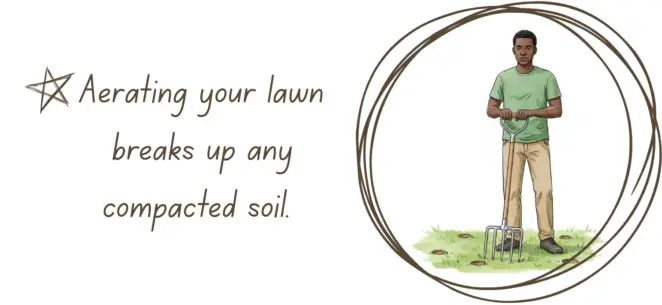
Aeration is the process of making small holes in the soil to improve air circulation and loosen it. This helps water and nutrients to reach the grass roots more easily. For best results, it should be done in the spring or autumn as these seasons offer more moisture than summer and do not experience such hot temperatures, helping your lawn to bounce back to health more quickly.
This is also a good time to examine your thatch layer. If it’s thicker than ½ inch, make sure to scarify your lawn before aeration.
To learn how to perform these treatments correctly, take a look at our ‘Lawn Aeration and Scarification: The Ultimate Guide’.
Resolution 4: I Will Repair Bare Patches Immediately
While it is easy to fall into the trap of ‘I’ll do it later’, it is that nurturing approach that will truly make a difference to your turf. So, if you truly want to achieve your lawn goals this year, always repair any bare patches that your lawn develops immediately. Otherwise, these can become crowded with weeds since they don’t need to compete with the grass for water, nutrients, and sunlight.
This is why we recommend keeping a bag of good-quality lawn seed, such as our Rye Gold Grass Seed, on hand at all times. Made from the same blend of perennial ryegrass and red fescue as our best-selling Rye Gold Turf, it is designed to handle heavy foot traffic and keep its rich, green colour all year round. To learn more about this product, check out our ‘Grass Seed: Why Choose Our New Product?’ blog.
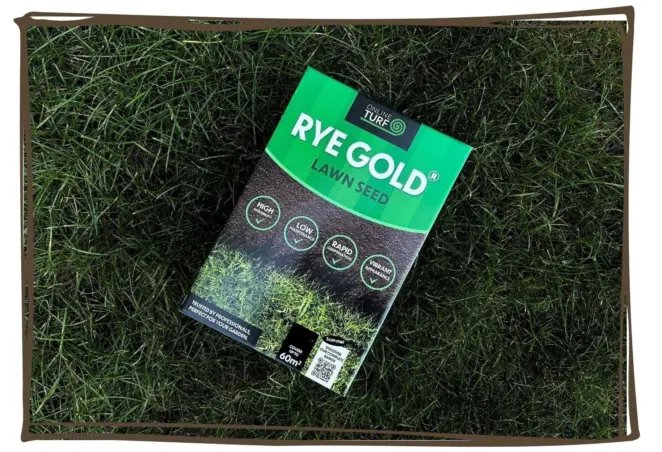
As soon as any patches appear, spread the seed onto the affected area at a rate of 20 grams per square metre and then sprinkle some high-quality topsoil on top at the rate of 2-3 kilograms per square metre. You should then water the area regularly. If left to dry out, the seeds will die as they need constant moisture to germinate, sprout, and establish.
This practice is known as overseeding. It can also be used all around your lawn as part of your spring lawn prep to thicken it and enhance its resilience against pests and diseases by introducing more turf varieties into your lawn.
Resolution 5: I Will Respect the Winter 'No-Walk' Rule
This simple resolution can make a real difference to your lawn’s condition once the warmer weather returns.
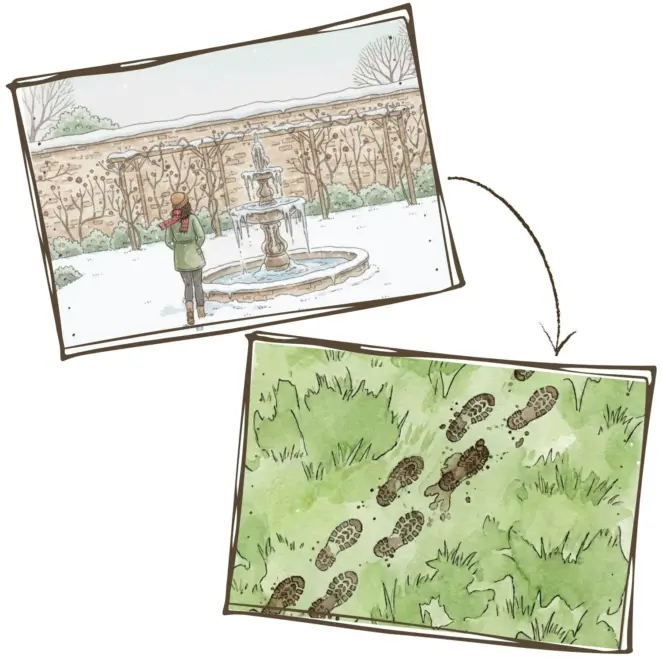
As soon as the temperatures drop and the grass freezes, the water inside its cells turns to ice. During this time, the grass blades are very brittle and are damaged easily if walked on. Walking on frozen grass also puts pressure on the soil underneath, compressing it and affecting root development. This makes it difficult for the grass to bounce back to health in spring.
The worst part? This damage often isn’t visible straight away. Once the frost melts, you may be left with black footprints or areas where water begins to pool.
That’s why, as tempting as it can be, respecting the winter ‘no-walk’ rule should be a priority. Instead of walking on your lawn, use the colder months to plan how you’ll achieve your lawn goals once the weather improves.
If walking on your lawn is unavoidable, consider investing in stepping stones for any high-traffic areas of your garden. This prevents unnecessary damage to your grass and soil.
Ready for a Fresh Start? Replace Your Lawn This Spring
If your lawn is extremely patchy, full of weeds, or mostly dead, sometimes the only way to achieve your lawn goals is to start again.
The easiest way to do this is by laying new, high-quality turf. This transforms your garden instantly, with the grass fully establishing in as little as 3-4 weeks, depending on the weather.
Our Rye Gold Turf is an excellent choice for a fresh start. A favourite among landscape gardeners and homeowners alike for its deep green appearance, it is both hard-wearing and durable. Despite its strength, it maintains a soft texture and has the ability to thrive in a wide range of soils and conditions. To get started on your dream garden, visit our Rye Gold Turf’s product page.
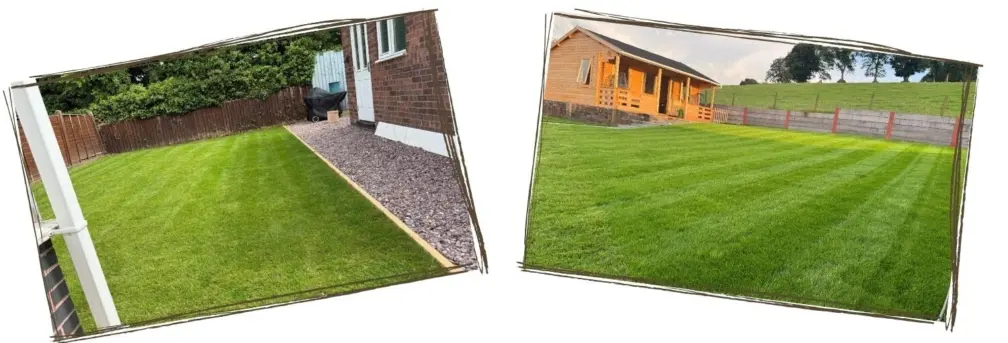
Whether you are planning to keep your current lawn healthy, or start again with our Rye Gold Turf, following these five resolutions is going to take your lawn care 2026 to a new level.
By taking a proactive, nurturing approach and following the right care routine, your garden can become a lush, green space you’ll be proud of.
Are you ready to put your lawn plans into action? Explore our range of turf, grass seed, and lawn care products to get started today.
