

Removing Weeds from Your Lawn
Are stubborn, unwanted plants preventing your lawn from achieving that lush, manicured look?
The common garden weed can be a real thorn in the side of any gardener. These pesky plants not only sprout up almost anywhere in your garden but are also very difficult to remove once established.
Here at Online Turf, we have been growing our own turf for over two decades. From learning how to identify common weeds to understanding why they could be harmful to your turf and how to remove them, we have put together all the information you need to get your garden back on track.
How to Identify Weeds
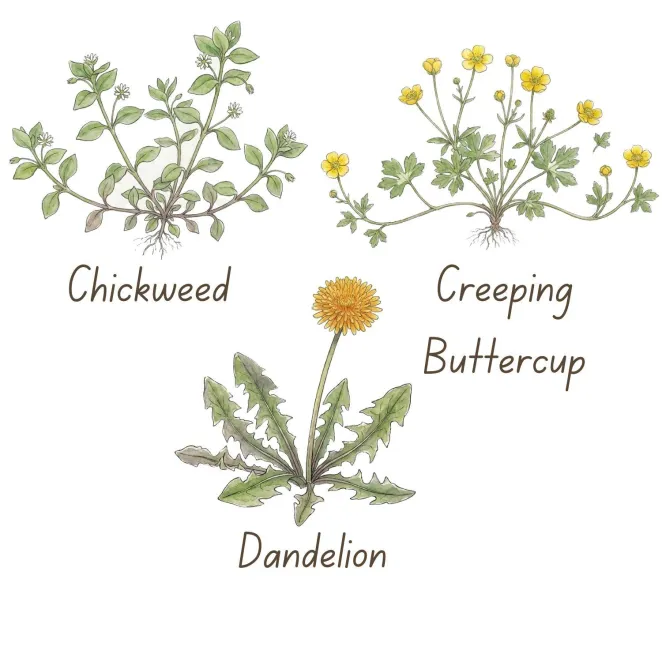
Firstly, a weed is any plant that is growing where it’s not wanted. Some of the most common weeds in the UK include dandelions, chickweed, and creeping buttercup.
Dandelions can be recognised by their bright, yellow flowers and rosette-forming leaves, which then turn to white, fluffy seedheads. If left alone, a single plant can potentially lead to hundreds of new weeds developing within just a single season.
Common chickweed is known for its fresh green oval leaves and small, star-like, white flowers. It can form a thick, succulent mat that can smother your desired plants.
Creeping buttercup has small, pale hairs that cover both the leaves and stems. During spring and summer, five-petalled, glossy yellow flowers appear. In terms of growth rate, each plant can spread at a rate of 50 centimetres.
Some other weeds that are frequently present in lawns in the UK include daisies, selfheals, cat’s ears, greater plantains, and white clovers. To learn how to identify these, visit our ‘Guides: Weeds’.
Why Are Weeds Bad for Your Lawn?
According to the RHS, ‘most lawn weeds are UK native wildflowers that support a wide range of garden wildlife’. As a result, some people choose to leave some or all of them in their lawn to increase their garden’s biodiversity. However, this is not the best approach if you want a lawn that has this healthy, manicured look.
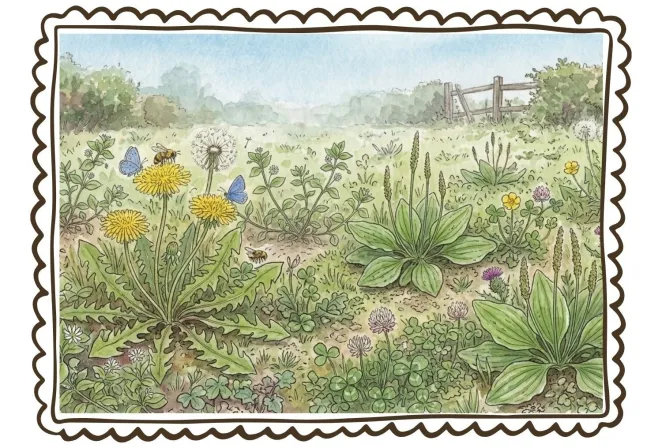
The first thing that comes to most people’s minds when they see a lawn full of weeds is that their garden is unloved, unkempt, and neglected. However, weeds can pose a more serious problem.
Not only do they ruin the appearance of your outdoor space, but they can also take over a garden very quickly, competing with your turf for sunlight, water, and nutrients. This can leave your lawn weak, causing it to thin and develop bare patches, and make it more susceptible to moss, pests, and diseases.
Some weeds also develop deep or persistent root systems, which makes them difficult to remove once they are established. Even when they are pulled or treated, they can leave behind gaps in the lawn that are quickly replaced by new weeds if they are not filled in by overseeding. This makes it hard to restore your lawn to its former condition.
How to Remove Weeds From Your Lawn
Chemical Weed Killers
If you have a larger garden, using a chemical weed killer is often less labour-intensive and time-consuming than some organic options, such as hand pulling.
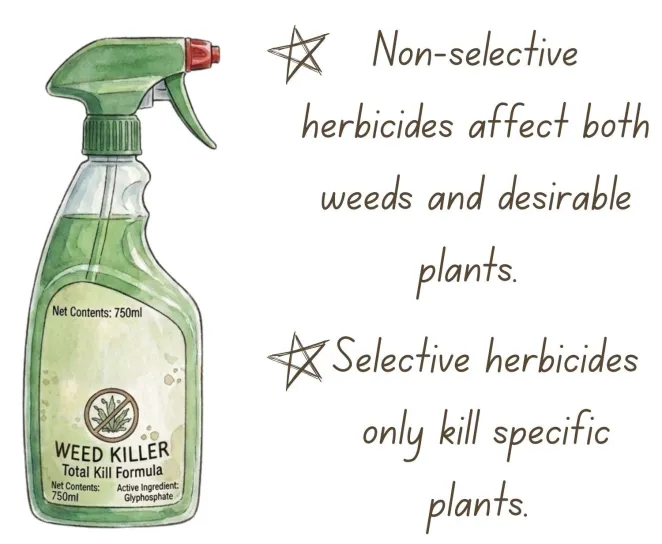
Herbicides are divided into two main types: selective and non-selective. Selective herbicides target a specific type of weed while leaving other plants unharmed. These are ideal when weeds are growing among plants you want to keep.
Non-selective herbicides kill any plants they come into contact with. They are useful if you are unsure what type of weed you are dealing with, but they must be applied carefully.
You can also buy multi-purpose products, such as lawn feed with weed killer in it. These can save time, money, and effort by combining two tasks in one. They also reduce the risk of damaging your grass compared to non-selective herbicides.
However, it is worth noting that some herbicides can contribute to runoff and may harm the environment if not used correctly. For this reason, it is important to choose the right product and use it responsibly.
Organic Weed Killers and Approaches
If you prefer to avoid using chemicals in your garden, don’t worry. There are plenty of organic methods that you can use to get rid of weeds instead.
Hand-Pulling
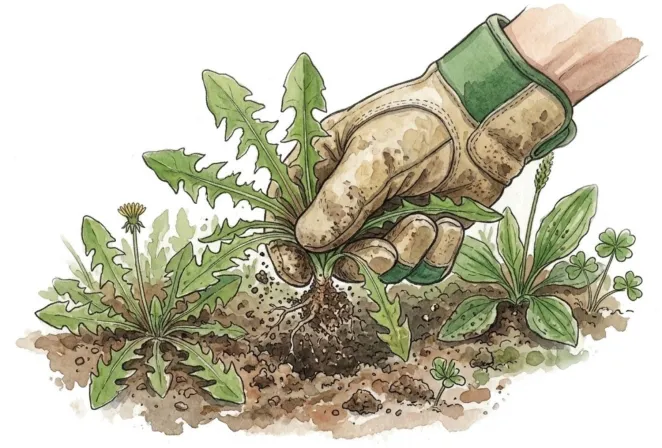
Hand-pulling weeds is an eco-friendly way to remove them, since it does not require you to add anything into the soil. It’s also highly precise, so you do not need to worry about nearby plants being harmed by accident.
To hand-pull a weed, choose a day when the soil is moist, as this will allow for the roots to slide out more easily. Then, grasp the unwanted plant firmly at the base and pull it slowly upward, making sure to remove the entire root system. If any part of the root is left behind, the plant can come back in the future. It is also important to fill the leftover hole with some high-quality compost, firm it level with the soil surface, and spread grass seed so that the weeds do not take over the bare patches. We recommend our Rye Gold Lawn Grass Seed for this. Made from the same blend of perennial ryegrass and red fescue as our best-selling Rye Gold Turf, it is designed to handle heavy foot traffic and keep its rich green colour all year round.
Salt Weed Killer
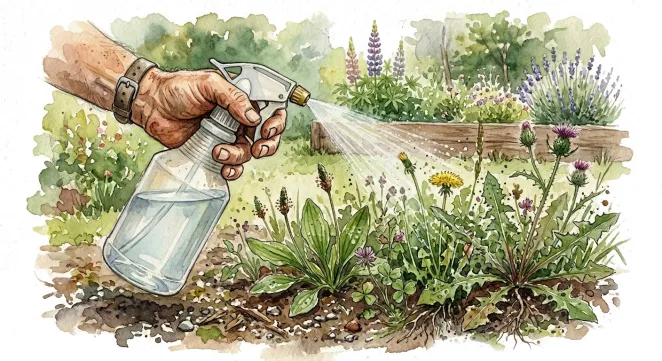
When mixed with water, salt can be used to make an organic weed killer. According to The Spruce, ‘Salt (sodium chloride) works to kill weeds by dehydrating the plants and disrupting the internal water balance of the plant’s cells’. Once absorbed, the weeds will wilt, turn brown, and eventually die.
When making a salt weed killer to use on your lawn, it is important to mix it with water at a 3:1 water-to-salt ratio for a gentler formula that does not negatively impact your soil’s health. If using a harsher formula, over time it could sterilise the soil and prevent plants from growing there. Then, put it in a spray bottle and apply it to the foliage of the weed. Make sure to do this on a day that’s free of wind, as salt is a non-selective herbicide, so it can damage nearby plants in case of herbicide drift.
Boiling Water
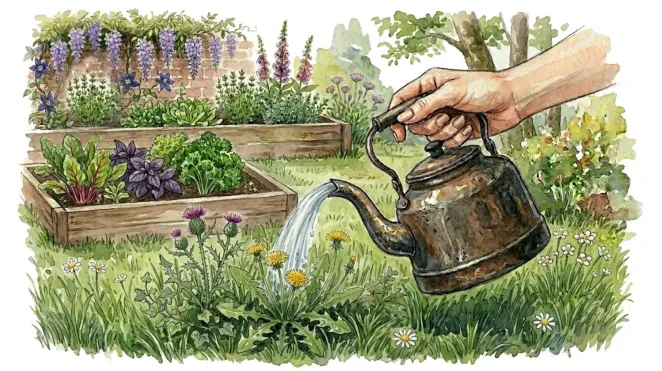
Boiling water is another highly effective and non-toxic way to kill weeds. Simply put a kettle on and once it’s ready, pour its contents onto any unwanted plants.
The boiling water ‘cooks’ the weed, causing it to become dehydrated rapidly and die. It will also ‘cook’ their roots most of the time, so they are not likely to come back. This makes it a great, cheap, chemical-free alternative to herbicides.
However, take caution when using this method, as there is a risk of accidentally burning yourself or killing your lawn if some of the water gets on it. If you only have one kettle and a larger outdoor space, it may also take a few attempts before you treat all of the weeds.
Good Lawn Care Routine
The best long-term method to get rid of weeds is to have a thick, healthy lawn that is able to outcompete any unwanted plants, preventing them from establishing. A dense turf that’s cut at the right height shades the soil, not letting sunlight through, which weeds need to germinate. It will also take up most of the water and nutrients in the soil, not leaving enough for weeds to survive on. Compared to other methods, such as herbicides, this is better as the weeds are then less likely to come back because they do not have the right conditions to do so.
To learn how to keep your lawn looking lush and healthy throughout the year, visit our ‘Online Turf’s Lawn Care Calendar’.

Weeds may be stubborn, but with the right approach, they can be brought under control. Whether you choose chemical treatments or organic methods, consistency is key to stopping weeds from taking over your garden.
Are you ready to restore your lawn to its best condition? Explore our full range of lawn care products, including compost and grass seed, and get started on creating a healthier, weed-resistant lawn.
