


Mastering the Spring Lawn Growth Surge
Now that spring is officially here, is your lawn growing like crazy?
Between the extra daylight and the rising temperatures, your grass can start growing so fast it seems to happen overnight - going from neat and tidy to overgrown in the blink of an eye.
To keep your lawn looking its best, you must know how to manage this spring grass flush. From timing your first mow and adjusting your mower height correctly, to keeping your equipment clean, there are simple steps you can take to set your lawn up for a healthy, green summer.
The Biology of the 'Spring Flush'
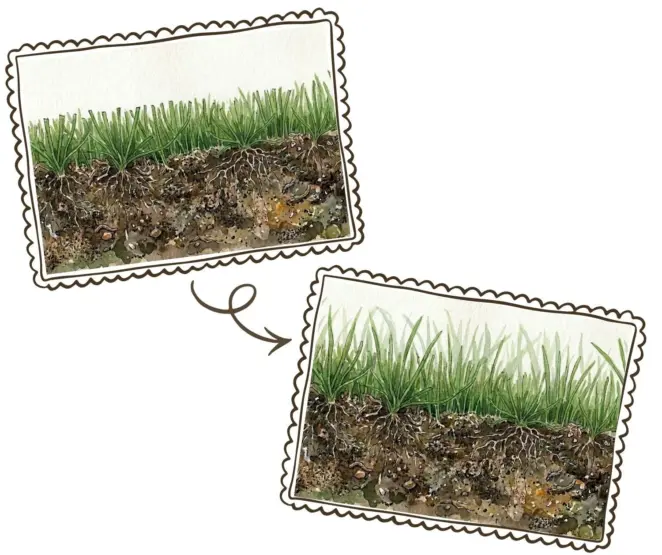
In springtime, soil temperatures rise and the days get longer, increasing the amount of sunlight that plants receive. This triggers what landscapers call a ‘spring flush’. In simple terms, a spring flush is a rapid period of spring grass growth that occurs in many plants, including grass, after the slower winter months.
During winter, grass slows its growth to conserve energy and often enters a state of dormancy, focusing on survival rather than growth. Once the soil warms, your lawn transitions from survival mode into active growth, using the nutrients stored over winter to fuel a robust return. This can make the grass appear to shoot up almost overnight, which can make your lawn look untidy if it isn’t managed correctly.
Once spring flush begins, there’s no way to slow it down, which is why preparing your turf for spring is key. How you manage your lawn during this period directly affects the health, density, and appearance of your turf for the rest of the year.
Ignore the Calendar: The 7°C Rule
While many people aim to get their first mow done as soon as March comes around, this isn’t always healthy for your lawn. It should be the temperature, not the date, that dictates your first mow.
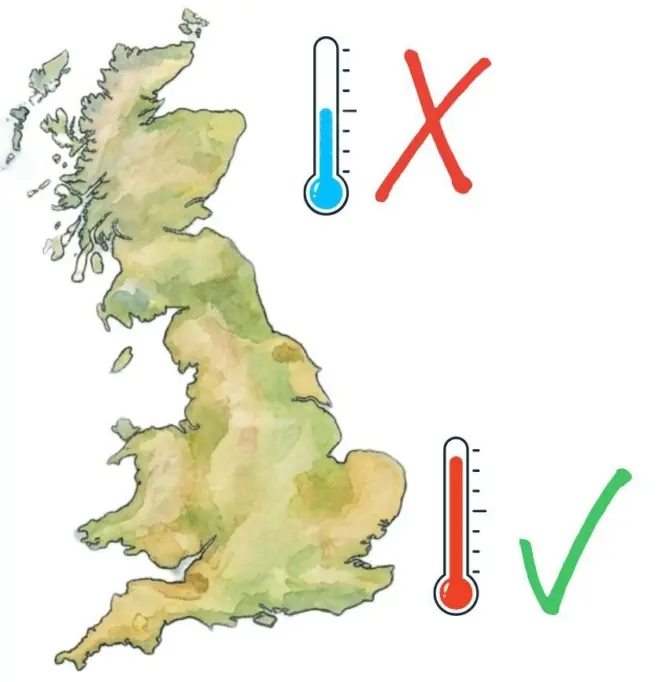
Due to the UK’s cooler climate and high rainfall, most lawns are made from cool-season grasses. As a result, your lawn’s spring flush will happen once the temperatures consistently reach 7°C as the soil will be warm enough for turf to start actively growing. This makes soil temperature for first mow one of the most important factors to consider. Once you can see the growth, it is the perfect time to give your lawn its very first mow of the season. For certain regions in the UK, such as Southern England, this may happen sooner than for other regions, such as Northern Scotland.
Mowing your lawn too early can cause significant damage, since the cold can penetrate the exposed cells and cause your lawn trauma that will be difficult to recover from. The plant will then divert energy towards healing rather than growing, resulting in a thin, weak patchy lawn.
The 'Staircase Technique' for Reducing Height
Once the temperatures are warm enough and it’s finally time for that first mow, you need a good spring mowing strategy to reduce your turf’s height. The ‘staircase mowing technique’ is a great way to do that.
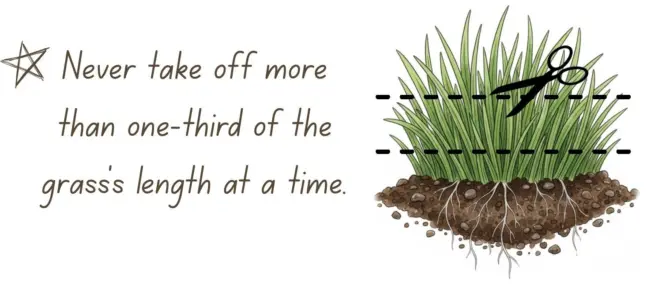
In simple terms, it involves lowering your mowing height gradually over several cuts rather than all at once - much like stepping down a staircase. During each mow, follow the ‘one-third’ rule and never remove more than one-third of the grass height at a time. For example, if your grass has reached 3 inches over winter, do not cut more than 1 inch off. Repeat as necessary until your lawn reaches the correct height.
When too much of the grass blade is removed at once, the plant goes into stress. Instead of focusing on healthy growth, it has to use its energy to repair the damage. This can slow down recovery, thin out your lawn, and reduce its overall resilience, making it more susceptible to disease and weeds. By following the staircase mowing technique, you can reach your desired grass length, without sacrificing its wellbeing.
Managing the Nitrogen Spike
It’s common to give your lawn a little boost with a spring fertiliser to help it recover from winter. These are usually high in nitrogen, which promotes vibrant, dense foliage that can better withstand foot traffic, while other nutrients encourage deeper roots. This also helps make your lawn more drought-resistant, just in time for the warmer months.
Nitrogen promotes rapid growth, which means you’ll need to mow more frequently to follow the ‘one-third’ rule. For most lawns, this works out to mowing every week or two, slowing down in the summer once temperatures rise. The exact timing will depend on your local climate.
Regular mowing not only prevents stress to your grass but also helps reduce weeds, cutting them down before they flower. At the same time, it encourages deeper roots, producing a thicker, healthier lawn that can outcompete unwanted plants and resist pests more effectively.
To learn how to mow your lawn like a professional, check out our ‘How to Mow Your Lawn’ guide.
Mower Hygiene
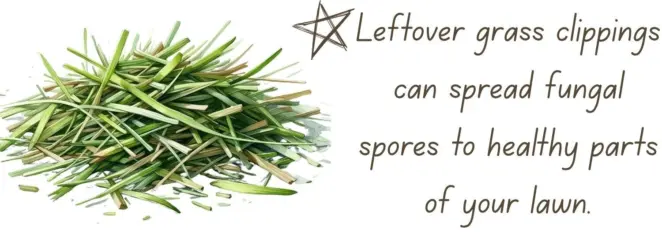
Mower hygiene is something that’s often skipped when talking about how to best take care of your grass during a spring flush. However, fungal spores from diseased grass clippings can accumulate on the underside of a mower deck and, if not washed, be transferred to healthy parts of the lawn, causing the disease to spread.
One of the most common lawn diseases often spread this way is leaf spot. Leaf spot usually appears as small yellow or brown spots on grass blades. It can thin out the turf by causing the affected leaves to die.
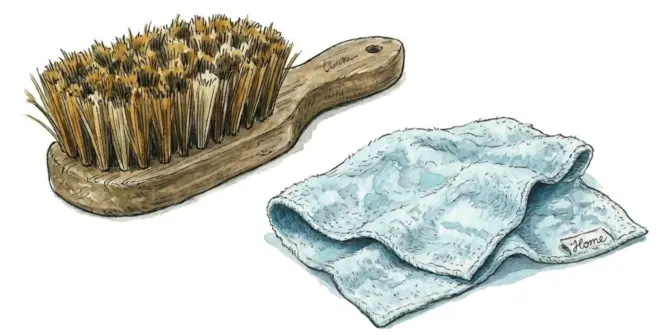
To wash the underside of your mower, start by removing the spark plug if you have a petrol mower, or ensuring that your machine is not plugged in for electric models. This will ensure that your mower cannot start unexpectedly. Then, simply tip your mower to the side and use a brush to remove any remaining grass clippings. Once this is done, use a damp cloth to give it a wash.
Ideally, this should be done at least a couple of times per season. This practice will also improve the airflow in that area and prevent your machine from rusting.
For step-by-step information on how to keep your mower in the best shape, visit our ‘Lawn Mower Maintenance: All You Need to Know’ guide.
The Pre-Mow Foundation: Levelling and Repair
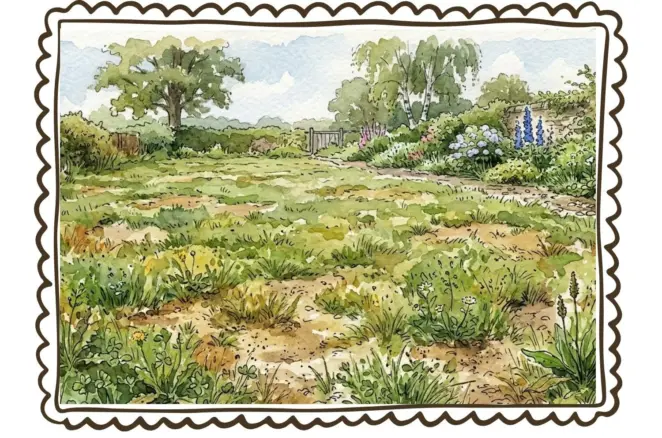
Spring is a great time to level your lawn and smooth out any dips or high spots in your turf. When you mow, your mower’s wheels and blades don’t always stay perfectly even. If a wheel drops into a low spot, the mower deck sinks too, causing the blades to cut deeper than intended. On the other hand, when the mower passes over a high spot, the blades are closer to the ground and can remove too much grass. These uneven cuts can make your lawn look patchy and can even damage the turf. According to Ideal Home, an unlevel lawn can also lead to drainage issues, and it can be a trip hazard.
Start by mowing your lawn on the lowest height setting and collect all of the clippings so that you can see where all of the dips and high spots are. Then, scarify your lawn to remove any excessive thatch and clear the debris for the same reason.
Use high-quality topsoil, such as our Enriched Topsoil, to fill any dips. Smooth it out using the back of a soil rake and compact the area with your feet, repeating this process as many times as needed until the area is even.
For higher spots, remove excess soil from underneath the turf. While it may sound difficult at first, simply lift the turf using a spade. Remove the excess soil and then flatten the area with your feet.


Spring Renovation: Overseeding and Mowing
To make sure that your lawn recovers well after being levelled, or just to give your garden a much-needed boost after winter, invest in some grass seed.
Here at Online Turf, we sell Rye Gold Lawn Seed. Made from the same high-quality mix of perennial ryegrass and red fescue as our best-selling Rye Gold Turf, it is designed to deliver professional results. It can handle heavy foot traffic, grow well in shade, and keep its rich green colour all year round. While we may be a bit biased, in our opinion, it is truly the best grass seed for spring renovation.
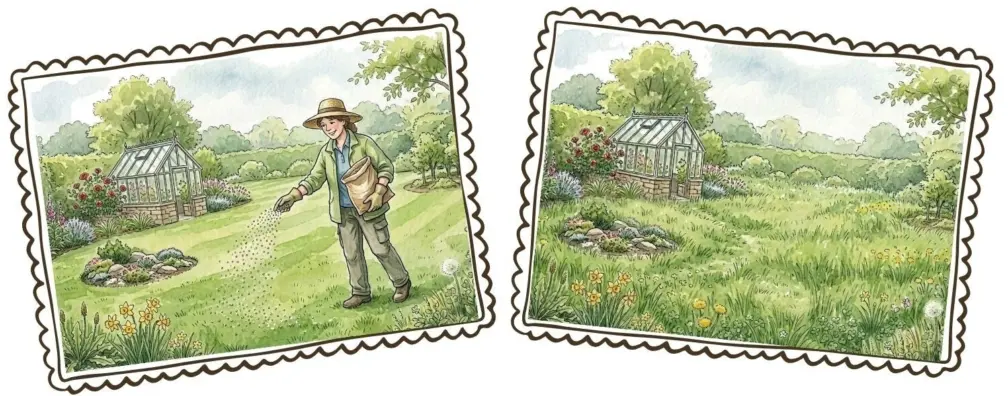
If you haven’t levelled your lawn, start by mowing, then scarifying and aerating it. Spread some topsoil to fill in any holes that were created; this will ensure that the seeds have the nutrients needed to grow. Then, sow your seeds at a rate of 25 grams per square metre.
Make sure to water these once or twice a day, depending on the weather, so that the seeds do not dry out and keep off your lawn if possible until they establish. Depending on the weather, this can take as little as 2-3 weeks.
At the same time, your existing grass will continue to grow, which can make mowing feel tricky. According to Homes & Gardens, you should wait until around 70–80% of the new grass reaches about 3 inches tall before mowing. This usually takes around 3 - 4 weeks. When you do mow, make sure your blades are sharp and avoid cutting too low to protect the young grass.
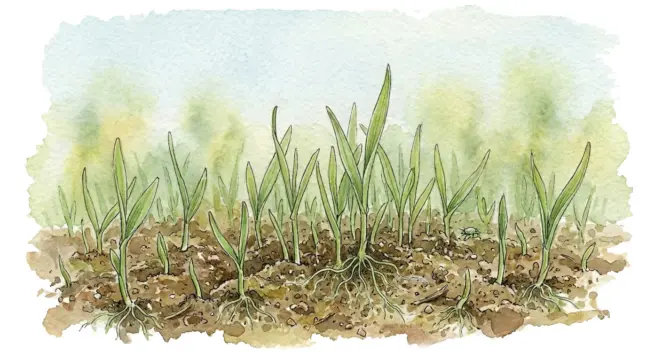
Spring flush is one of the most important times of year for your lawn. What you do during this period of rapid growth will shape how your turf looks and performs for the rest of the season.
By understanding how your grass responds to rising temperatures, adjusting your mowing height gradually, and supporting it with the right care, you can work with your lawn rather than against it. The result is a thicker, healthier turf that is better equipped to handle heavy foot traffic and resist weeds and diseases.
Are you ready to transform your lawn? Explore our full range of turf, grass seed, and topsoil to give your garden the perfect foundation for a strong, green summer.
